Watercolor & Paint Brush Vectors: A Brand Designer’s Review for Marketing Illustrations
As a brand designer and content marketer, I recently reviewed the Watercolor and Paint Brush Vector Art pack, and I was immediately drawn to its expressive, organic feel. This design asset isn’t just about aesthetics—it’s a versatile tool for visual storytelling, especially for brands that want to convey creativity, authenticity, and warmth. Let’s break down how this illustration set can elevate your marketing visuals, branding strategy, and content creation workflow.
First Impressions: Organic, Artistic, and Approachable
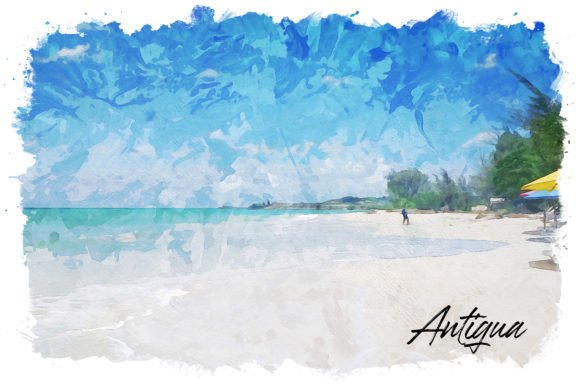
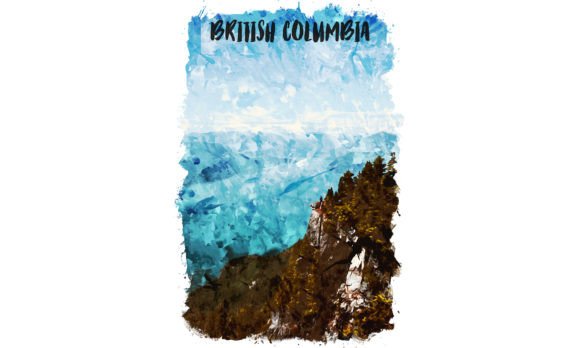
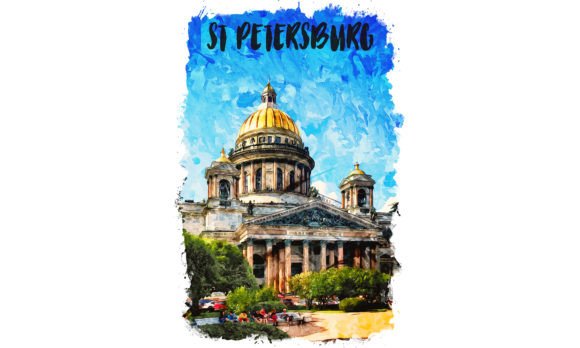
The first thing I noticed about the Watercolor and Paint Brush Vector Art was its tactile, handcrafted quality. These aren’t sterile digital graphics—they feel like brushstrokes from a real artist’s hand. This gives them a unique emotional tone: soft, inviting, and slightly whimsical. If your brand leans into handmade products, artisanal services, or lifestyle content, this creative design asset can instantly align with your brand personality.
From a marketing perspective, this kind of visual language helps build audience trust and emotional connection. People respond to authenticity, and these illustrations tap into that by feeling less like stock graphics and more like intentional, hand-painted brand elements.
Perfect for Brand Identity and Logo Design
When building a brand identity, consistency is key. The Watercolor and Paint Brush Vector Art can serve as a foundational design asset, especially for brands that want to project creativity and craftsmanship. I tested this pack in a logo concept for a boutique tea brand, and the watercolor textures added a soft, organic contrast to a clean sans-serif font. The result? A logo that felt both modern and timeless.
- Use watercolor brushes as background textures in brand kits
- Integrate paint splashes into logo marks for a playful touch
- Pair with minimalist typography to maintain visual balance
Enhancing Packaging Design and Product Labels
Packaging is one of the most powerful brand touchpoints—especially for small businesses and product creators. I used these vectors in a mockup for a candle packaging insert and was impressed with how the watercolor elements elevated the perceived value of the product. The subtle gradients and soft edges gave the packaging a premium, artisanal feel without overwhelming the design.
However, I recommend using these illustrations sparingly in packaging design. Too much texture can compete with product photos or brand messaging. Think of them as supporting elements, not the focal point.
Boosting Social Media Graphics and Pinterest Pins
For content creators and social media managers, the Watercolor and Paint Brush Vector Art can be a game-changer. I integrated these assets into a seasonal content calendar for a wellness blogger and used them in Instagram posts, Pinterest graphics, and blog headers. The results were eye-catching without feeling cluttered.
These vectors work particularly well in visual platforms like Pinterest where organic, inspirational aesthetics perform well. The watercolor overlays added depth and dimension to flat Canva templates, making the content feel more editorial and polished.
Supporting Digital Ads and Email Campaigns
In digital marketing, the first impression matters. I tested the vectors in a Facebook ad campaign for a course launch and found that the watercolor elements helped create a strong visual hierarchy. The soft background textures made the call-to-action buttons pop, and the overall design felt more human and less salesy.
Just be cautious with file size and readability when using these assets in digital ads. Since they’re SVG and PNG files, they scale well, but overusing them can make your design feel busy—especially on mobile screens.
Where Watercolor and Paint Brush Vectors Shine
Here are the top marketing and branding use cases where this graphic design asset truly excels:
- Hero graphics on landing pages or brand websites
- Content kits for bloggers and online coaches
- Merchandise design like stickers, tote bags, and notebooks
- Event flyers and invitation suites
- Editorial layouts for newsletters and digital magazines
Where to Use These Vectors with Caution
While this design asset is incredibly flexible, it’s not a one-size-fits-all solution. Here are some situations where you should use the Watercolor and Paint Brush Vector Art carefully:
- Formal corporate branding—these illustrations may feel too casual
- Text-heavy ads—the brushstrokes can distract from the message
- Small mobile graphics—details may get lost on tiny screens
- Minimalist brands—they may clash with ultra-clean aesthetics
- Low-contrast backgrounds—can reduce readability
Practical Brand Designer Notes Before Use
Before integrating this creative design into your marketing materials, here are some real-world tests I recommend:
- Test with your brand color palette—do the watercolor tones complement your primary and secondary colors?
- Check black and white usage—will the vectors still look good if printed in grayscale?
- Place in real campaign mockups—see how they perform in context
- Preview on mobile—ensure they scale well and maintain clarity
- Compare with competitor visuals—are they helping your brand stand out or blend in?
- Pair with different fonts—test with serif, sans-serif, script, and display fonts to find the right match
- Review spacing and balance—don’t let the brushstrokes crowd your layout
- Confirm commercial licensing—make sure you can use the vectors in client work or paid campaigns
Final Thoughts: A Strong Design Asset for Content Creators and Small Businesses
The Watercolor and Paint Brush Vector Art is more than just a pretty design pack—it’s a strategic visual tool for brand storytelling. Whether you’re a blogger building a content kit, a product creator designing packaging inserts, or a small business owner refreshing your social media visuals, this illustration set can help you create more engaging, emotionally resonant marketing materials.
If your brand values creativity, authenticity, and a human touch, this graphic design asset is worth adding to your toolkit. Just remember to use it thoughtfully, test it across platforms, and ensure it aligns with your overall brand identity and marketing goals.