Old Delhi Asia Watercolor: A Designer’s Honest Review for Real Embroidery Use
First Impressions: Artistic Vibe Meets Cultural Detail
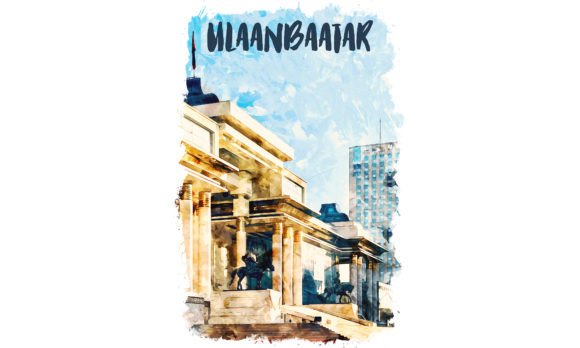
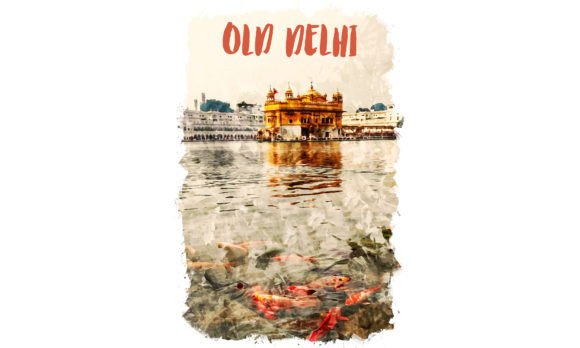
Opening the Old Delhi Asia Watercolor design file, the first thing that stands out is its painterly aesthetic. It feels like a soft, hand-drawn illustration that captures the bustling charm of Old Delhi with a dreamy, watercolor-style touch. The layout is layered with intricate architectural details, street scenes, and cultural motifs that immediately suggest it’s best suited for projects that lean into storytelling or heritage themes.
From a design standpoint, this piece carries a warm, slightly nostalgic mood. It’s not overly busy, but it definitely has visual depth. For embroidery designers and Etsy sellers, that’s a good thing—it gives the design personality without being overwhelming. However, that same richness means it’s not a one-size-fits-all design. It will resonate most with customers looking for artisanal, globally-inspired embroidery.
Real-World Use: From Sweatshirts to Tote Bags
I recently tested Old Delhi Asia Watercolor on a custom embroidered tote bag and a cotton sweatshirt. On the tote, the design translated beautifully—its soft edges and organic lines gave it a hand-painted look that elevated the simple fabric. The stitching was clean, and the color transitions (when using multiple thread shades) mimicked watercolor washes surprisingly well.
On the sweatshirt, I noticed that the texture of the fabric softened the finer details a bit, especially around the edges of the buildings and figures. It wasn’t a deal-breaker, but it’s worth noting: if you're going for crisp detail, choose a smoother fabric or scale the design up slightly to compensate for texture loss.
For boutique apparel or handmade gift items, this design can add a touch of sophistication. It would work well on baby clothes too, though I’d recommend a simplified version or a smaller portion of the full design to avoid overcrowding the garment.
Where to Use It Carefully
Old Delhi Asia Watercolor has a fair amount of detail, which makes it less ideal for small hoop sizes. Trying to fit the entire design into a 4x4 hoop will likely result in lost detail and muddy stitching. If you're working with small items like baby caps or curved surfaces like baseball caps, consider isolating a key element instead of using the full composition.
On dark fabrics, the design needs careful thread color selection. The natural watercolor tones may get lost unless you use contrasting thread or add a white underlay. I also noticed that on stretchy knits, the satin stitch outlines tended to pucker slightly unless I used a firm stabilizer underneath.
For embroidered patches, this design would look stunning on felt or twill, but be cautious with stitch density. Too many overlapping stitches can stiffen the patch and make it uncomfortable for wearables.
Visual Appeal and Product Value
What makes Old Delhi Asia Watercolor stand out is its ability to elevate a basic product into something artisanal. Whether it's on a pillow cover or a personalized gift, the design adds a handcrafted feel that buyers associate with quality. This is especially important for small shop owners and Etsy sellers who want to justify higher price points or attract customers looking for meaningful, cultural designs.
From a branding perspective, if your shop leans into global or heritage-inspired themes, this design could become a signature piece. Used across multiple product types—like tea towels, nursery decor, or boutique sweatshirts—it helps build a cohesive visual identity.
Customer engagement also benefits from this kind of design. People respond well to detailed, story-driven embroidery. It sparks curiosity and conversation, which is a plus for handmade sellers looking to increase social shares or repeat purchases.
Practical Designer Notes Before You Stitch
Before using Old Delhi Asia Watercolor in a client project or product line, here are a few steps I recommend:
- Test on scrap fabric: Always run a test stitch-out, especially if you're using an unfamiliar fabric type.
- Check thread color contrast: Use a thread chart to ensure colors translate well from the digital preview to the stitched version.
- Review stitch density: Dense areas may need thinning out slightly for flexibility, especially on stretchy or thin fabrics.
- Confirm hoop size compatibility: Make sure the design fits within your machine’s hoop dimensions without distortion.
- Inspect small details: Zoom in on the digital preview to see if small elements like window frames or street signs will stitch clearly.
- Try black and white mockups: This helps identify contrast issues and ensures the design works even without color.
- Compare light and dark fabric backgrounds: The same design can look dramatically different depending on the base color.
- Use proper stabilizer: For best results, use a medium-weight tear-away or wash-away stabilizer depending on the fabric type.
- Confirm licensing: If you're selling finished products or digital embroidery files, double-check the license terms included with the design.
Final Thoughts: A Thoughtful Addition to Your Design Kit
Old Delhi Asia Watercolor isn’t a fast-selling, mass-market embroidery file. It’s more of a curated design that appeals to a niche but passionate audience. If you're creating custom apparel, personalized gifts, or boutique-style items that lean into cultural storytelling, this design can be a valuable asset.
It performs best on smooth, stable fabrics and works beautifully in both personal and small-scale commercial projects. Just be mindful of where and how you use it—especially with smaller items or textured materials. With a bit of planning and testing, it can become a standout piece in your handmade product line or client portfolio.
As a designer, I appreciate designs that bring visual interest without sacrificing practicality. Old Delhi Asia Watercolor hits that balance well—if you’re thoughtful about how and where you apply it.