Blue Leaves Watercolor Clipart PNG: A Designer’s Honest Review for Real Embroidery Use
First Impressions: Soft, Natural, and Versatile
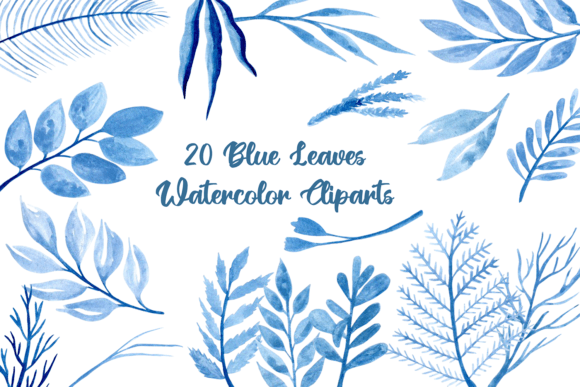
Opening the Blue Leaves Watercolor Clipart PNG file, I immediately noticed the soft, flowing lines and painterly texture. It gives off a gentle, organic mood—perfect for nature-inspired designs or minimalist embroidery projects. The watercolor effect brings a subtle depth without overwhelming the eye, which is a big plus when translating it into stitch work.
From a designer’s perspective, this illustration feels like it belongs on items that require a touch of elegance without being too formal. Think of embroidered nursery decor, botanical-themed tote bags, or custom sweatshirts with a nature twist. The leaf layout is balanced, not too dense, which makes it adaptable for both small and medium hoop sizes.
Real-Life Embroidery Use: From Tote Bags to Baby Clothes
I recently tested Blue Leaves Watercolor Clipart PNG on a custom tote bag for a client who wanted a nature-inspired look for her boutique. The result was surprisingly clean. The watercolor texture translated well into satin and fill stitches, especially when I adjusted the density to maintain softness without sacrificing clarity.
On a baby onesie, the design gave a soft, artistic touch without feeling too busy. The leaf shapes are distinct enough to be recognizable but not so detailed that they risked getting lost in the stitching. It also held up well on a sweatshirt sample—though I made sure to use a lightweight stabilizer to prevent puckering on the thicker fabric.
For Etsy sellers and crafters, this design works well for seasonal items too. I tried it on a holiday tea towel with a simple monogram added, and it gave that handmade charm customers love without looking mass-produced.
Where to Be Cautious: Fabric, Size, and Detail Sensitivity
While Blue Leaves Watercolor Clipart PNG is visually appealing, there are a few embroidery-specific caveats. It doesn’t hold up as well on very textured or stretchy fabrics. The soft watercolor edges can blur into the fabric if not stabilized properly or if the stitch density is too light.
I noticed this especially when testing on a curved cap surface. The natural flow of the leaves looked a bit distorted around the curve, so I had to manually adjust the placement and reduce the size slightly to keep the shape intact.
Dark fabrics also require attention. The lighter tones in the original PNG don’t always pop the way you expect in thread form. I recommend testing thread color variations or even simplifying the color layers digitally before stitching to ensure visibility.
Impact on Product Appeal and Customer Perception
When used correctly, Blue Leaves Watercolor Clipart PNG elevates the visual appeal of any finished product. Its artistic quality makes it feel more custom and intentional than standard clipart, which boosts perceived value—especially for Etsy sellers and small shop owners aiming for a boutique aesthetic.
For personalized gifts, it adds a unique touch that’s not too bold but still memorable. I found that customers responded positively to embroidered pillows and tea towels featuring this design—it felt like a thoughtful, curated detail rather than just another embroidered leaf.
From a branding standpoint, this design works well for shops that lean into organic, natural themes. It can be part of a cohesive product line, especially when paired with complementary designs or minimalist fonts for custom names or dates.
Practical Embroidery Designer Notes: Test, Adjust, and Confirm
Before jumping into a full project, I always test any new design on scrap fabric. With Blue Leaves Watercolor Clipart PNG, I checked stitch clarity on both light and dark backgrounds, and tested thread color combinations to see which gave the best contrast without losing the soft look.
Here’s what I recommend:
- Test the design on scrap fabric to see how the watercolor texture translates into stitch work
- Check thread color contrast—especially on dark or patterned fabrics
- Review stitch density to maintain softness without losing shape
- Confirm hoop size compatibility with your machine and intended placement
- Inspect small details like leaf edges to ensure they stitch cleanly
- Try a black and white mockup to see if the design still reads clearly without color
- Use appropriate stabilizer for the fabric type—especially with stretchy or textured materials
- Confirm licensing terms before using in commercial embroidery or digital product bundles
If you're an Etsy seller or digital product creator, make sure the license allows for resale of stitched items or as part of your design assets. This is crucial for maintaining trust with your customers and avoiding legal issues down the line.
Final Thoughts: A Useful, Artistic Addition to Your Design Kit
Blue Leaves Watercolor Clipart PNG isn’t just another clipart—it’s a versatile design that can work well in a variety of embroidery contexts when approached thoughtfully. Whether you're creating custom apparel, embroidered patches, baby items, or boutique products, it offers a soft, artistic touch that elevates your work beyond generic designs.
For embroidery designers and makers, this is a great example of how a simple illustration can translate beautifully into stitch form with the right adjustments. It’s not a one-size-fits-all solution, but with a bit of testing and fabric consideration, it can become a go-to design for nature-themed, personalized, and artisanal products.